James McMurtry – The Black Dog and the Wandering Boy
It’s four years since his last album and so when this dropped in the Inbox I was delighted. I’d include him in a list of top singer songwriter poets. His lyrics are often first person stories or pithy observations of the old, weak, downtrodden or deluded seemingly inhabiting the fly over States or fringes of the Union. The language is roughhewn with stinging yet honest depictions of his characters where even the good are often subsumed by their faults. These actors exist in plots where they seem to have little control or have probably ceased caring.
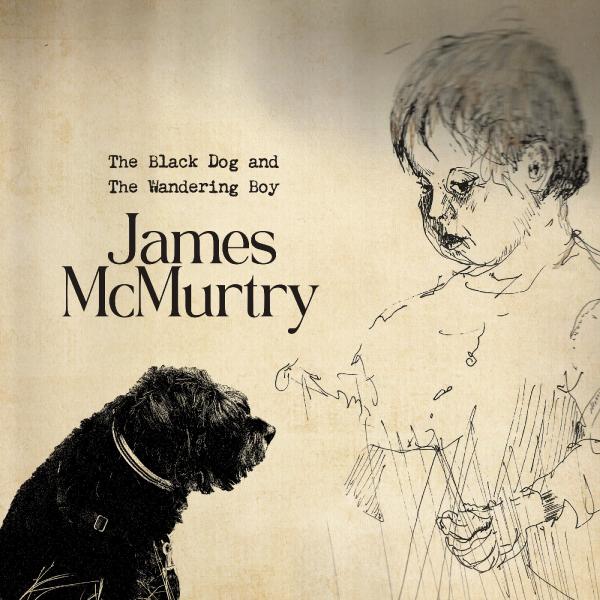
The title track needs explaining: it’s inspired by his late father’s dementia induced hallucinations and the album sleeve drawing is an old sketch he found. The dialogue, I take, is his father’s understanding of the here and now. Returning to a McMurtry theme there are songs where he paints a derisive view of bullies. Here the villains may be corporations, lawyers or his favourite bêtes noires, Republican politicians. Frankly, after Trump’s first term I became weary of 60 something artists seemingly entering therapy on vinyl and unloading their anger, but at least McMurtry, with craft and guile, places the listener in a plot and gently reveals his views rather than clumsily railing. Annie is an unusual lyric set in the aftermath of 9/11 where George W Bush gets portrayed as feckless and incapable of dealing with the situation. Sons of the Second Sons, as the titles suggests, is about the disinherited and disenfranchised who built America, fought its wars and provide the backbone that are, he asserts, the manifest strengths of the USA. Yet, they’re misled by flags and border walls.
If not finding villains he’s ruminating on the everyday such as the grind of touring. Sailing Away gives a snapshot of what he’s thinking as he stands on stage: “Tryin’ to remember, did I lock the front door? And have I any business bеin’ in this business anymore?” As he navigates his mid-sixties he dwells on ageing; South Texas Lawman tells about the demise of an old police officer who’s out of time with the modern world and current policing. His coping mechanism has been the bottle but we’re left with the lawman reaching the end of his tether and maybe his life.
If I’m painting a downbeat picture of McMurtry’s world then a contrast is the music. He’s brought back Don Dixon who helped produce his 1995 Where’d You Hide The Body? to freshen up his approach and it’s paid off. Tunes are aplenty with memorable choruses. Conventional rock sits tight and lively behind gruff and hard vocals that can carry a tune yet are most memorable for their conversational delivery where he inhabits the characters in the stories.
McMurtry seems a ‘take it or leave it’ kind of guy. He’s ploughed this furrow for decades and accumulated a wonderful catalogue of records that fans of, say, Dylan, Earle and Prine will own. Like these luminaries he can compile a lyric that stays with you as you continue to savour the couplets, character assassinations and their usually dysfunctional lives. I love the old curmudgeon and let’s hope it’s not another four years before he troubles my Inbox.
 Tony Ives’ Blog