After beautifully clear weather Tromsø was grey with intermittent drizzle. It’s the largest Norwegian town above the Artic Circle and looks business like.
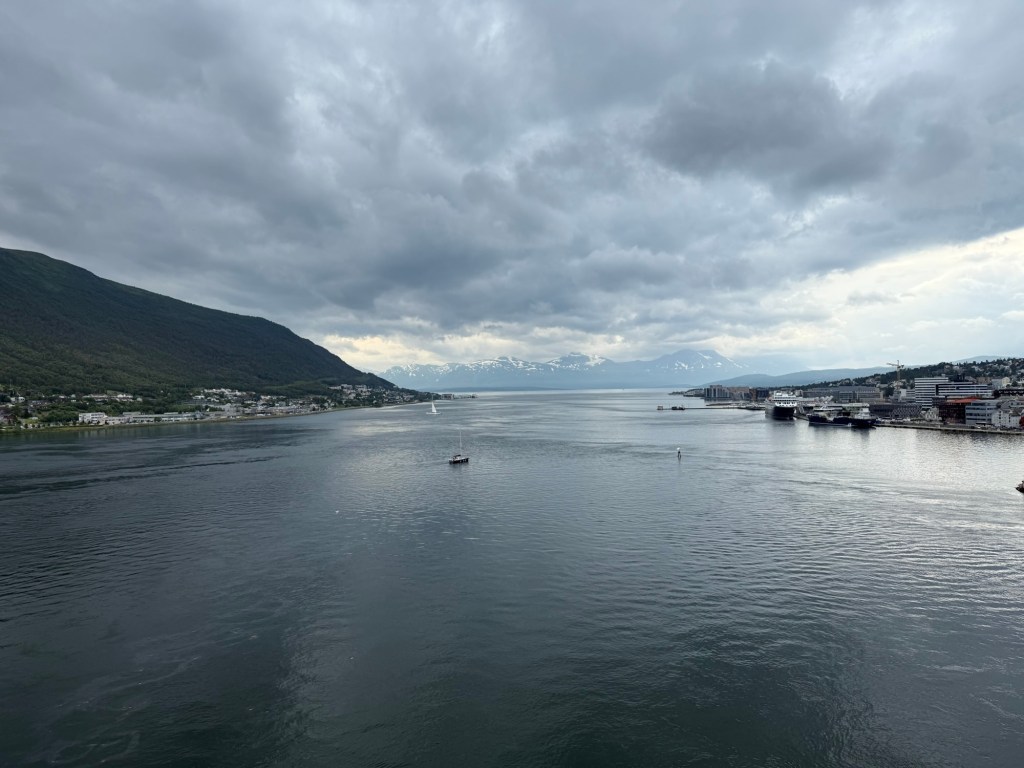
However the centre had the port and it’s here we disembarked. Around the port, catered for tourism in that I have never seen so many tourist gift shops in my life.


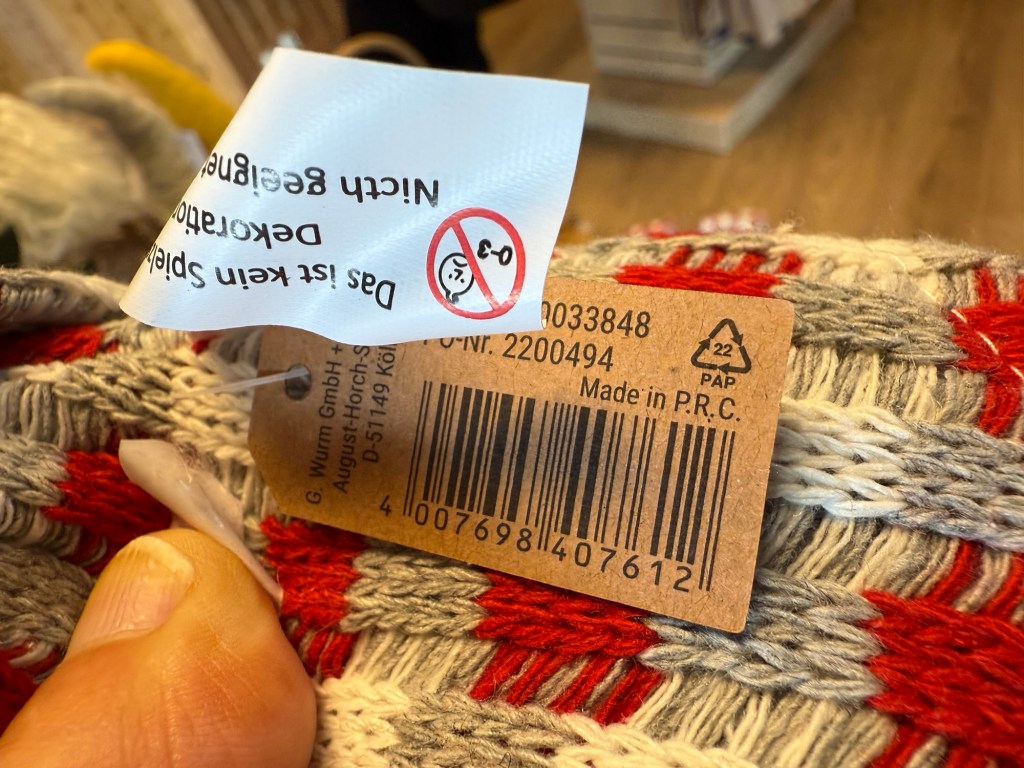
It’s in these shops that I found out what was Norway’s third biggest export after oil and fish. It was key fobs and fridge magnets. There are tons of them retailed up the coast and sadly all of this tat is made in China.
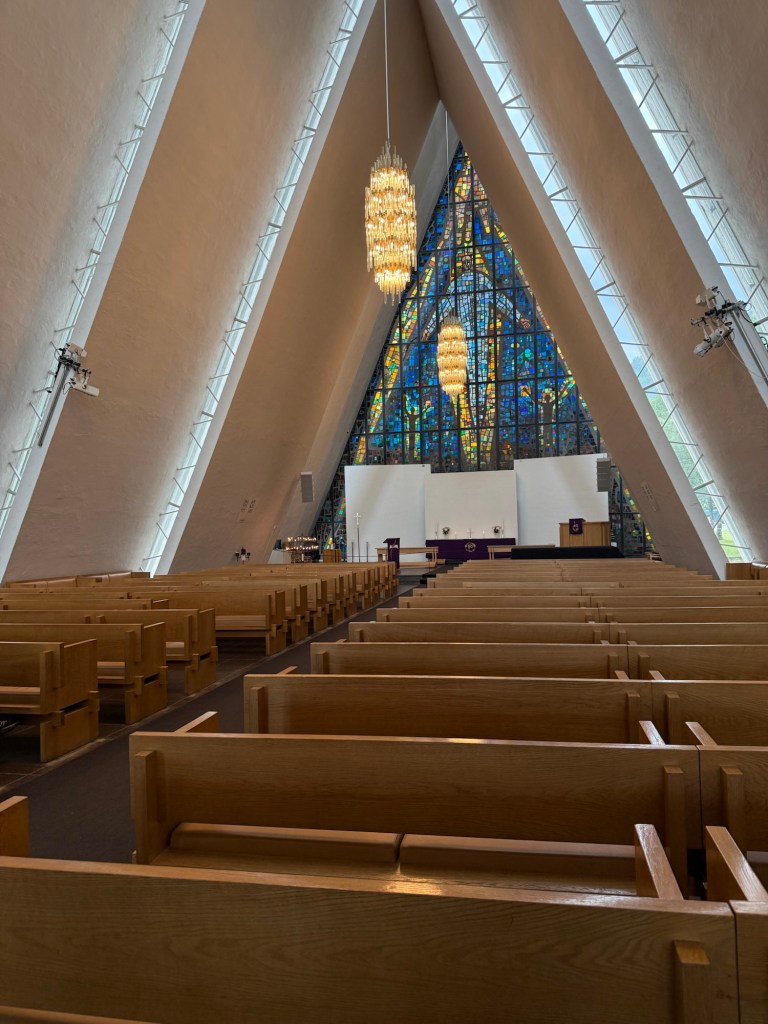
However despite this depressing vista we did find our way to the Artic Cathedral and had a look. After the sumptuous surroundings of Trondheim Cathedral this was classically Norwegian: unfussy, modest and light.

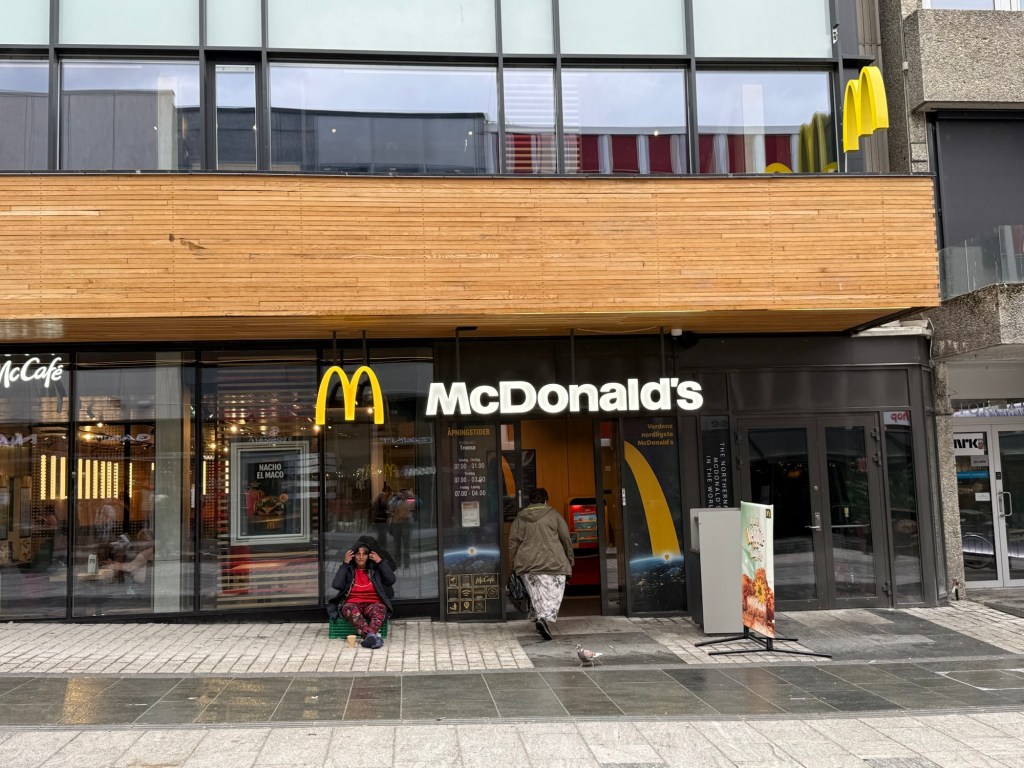
Always interested in a unique fact we walked past the most northerly located McDonalds in the world.

We found the other local cafes, we tried, didn’t have decaffeinated coffee and so after a cup of tea there was nothing else to detain us and we stepped back onto the ship.
The delightful strolls on the deck were now less attractive as a heavy mist or rain fell on the shore and we slowly sailed up the coast toward the top and arrived at Honningsvåg. Most of the ship disembarked to get a bus to the Northern Cape. This is the most northerly point in Europe, that isn’t. It’s actually somewhere else but this is the most visited and seems to be happily accepted by all and sundry as the place to go. We didn’t but looked around the town instead.

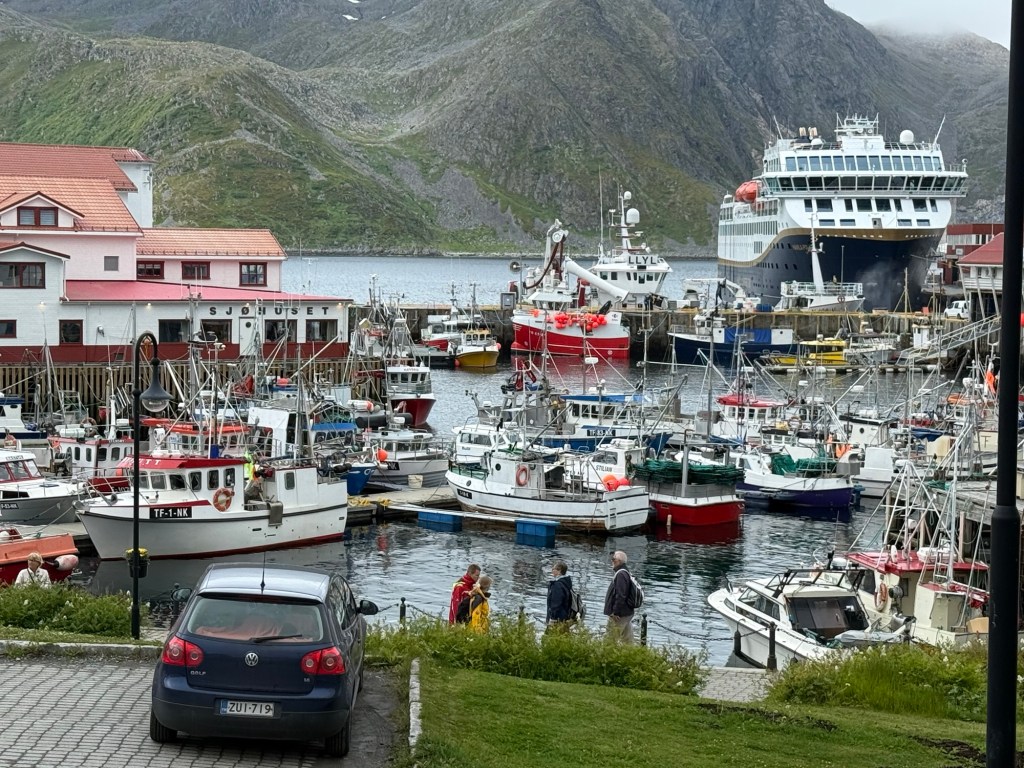

What becomes clear is that the destruction of towns and infrastructure of WW2 by the Germans is something that is still remembered and recorded. This part of Norway is called Finnmark and the role this part of the world played in the war was considerable due to it’s location. When the Germans started to lose the war, and retreated south, they implemented a scorched earth policy. Locals were displaced and their communities wrecked.

I know I write a lot about WW2 but you don’t have to dig deep to understand occupation and destruction, have left a deep gratitude to the Allies and determination to stop other peoples experiencing this hell in the future.

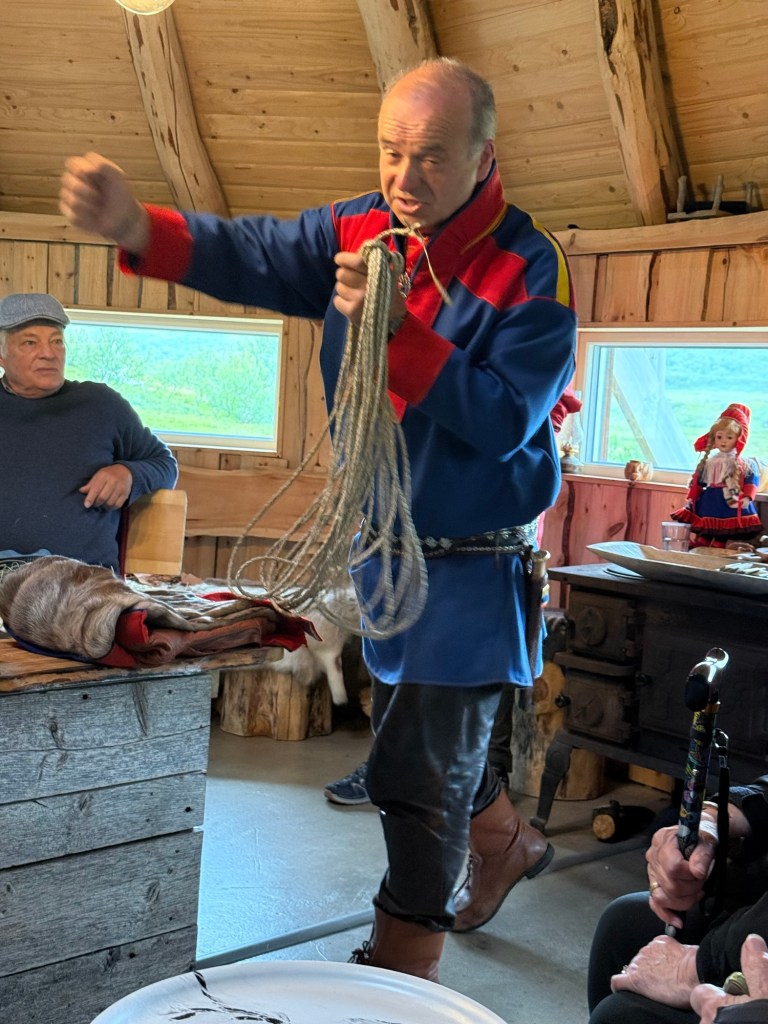
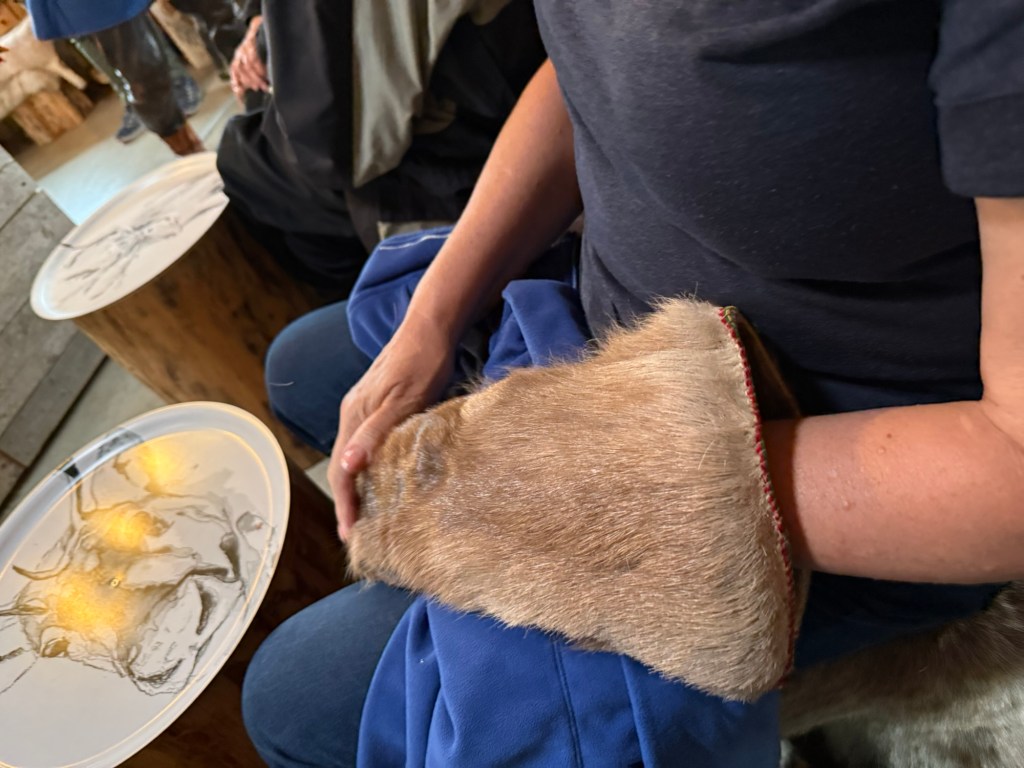
The European Norwegians were not the first here and the Sami people were. They are herdsmen by vocation and they breed, manage and live off reindeers, whether subsisting off the animal itself or selling its meat. The culture and independence of the Sami people has been attacked by the Europeans over the centuries as they attempted to pursue assimilation.

We went on an excursion to meet a Sami couple who told us about their life and traditions. It was interesting and they were passionate about holding onto their way of life and traditions. Memorably we were asked how many words in the Sami language existed for snow? That’s correct, 300. These two were serious people and mixed the cultural with the political.
It’s now in the last few decades that the rights and resources of these people have been respected and partly restored. (This is the story of several indigenous peoples around the globe, isn’t it.)
Before this as we disembarked a number cowboys got on board. At Kjøllefjord about 150 locals swapped with this us to sail around the peninsula to Mehamn where they got off ‘more oiled than a diesel train’ to borrow a phrase from Bernie Taupin. This festival of cowboys, cowgirls (and cowgrannies) do this annually and drink themselves near stupid in the two hours on board. Our guide (for the Sami meet and greet) told us that their record for expenditure whilst on board is 250,000 Kroner (£18,500). The main activity on the peninsula is fishing. Clearly there is money in the seas!


This was our last night on the ship but when we left we still had more sightseeing to do. We loved the ship, staff, route and fellow passengers. Compared to a major cruise company it was relatively low key but perfect.
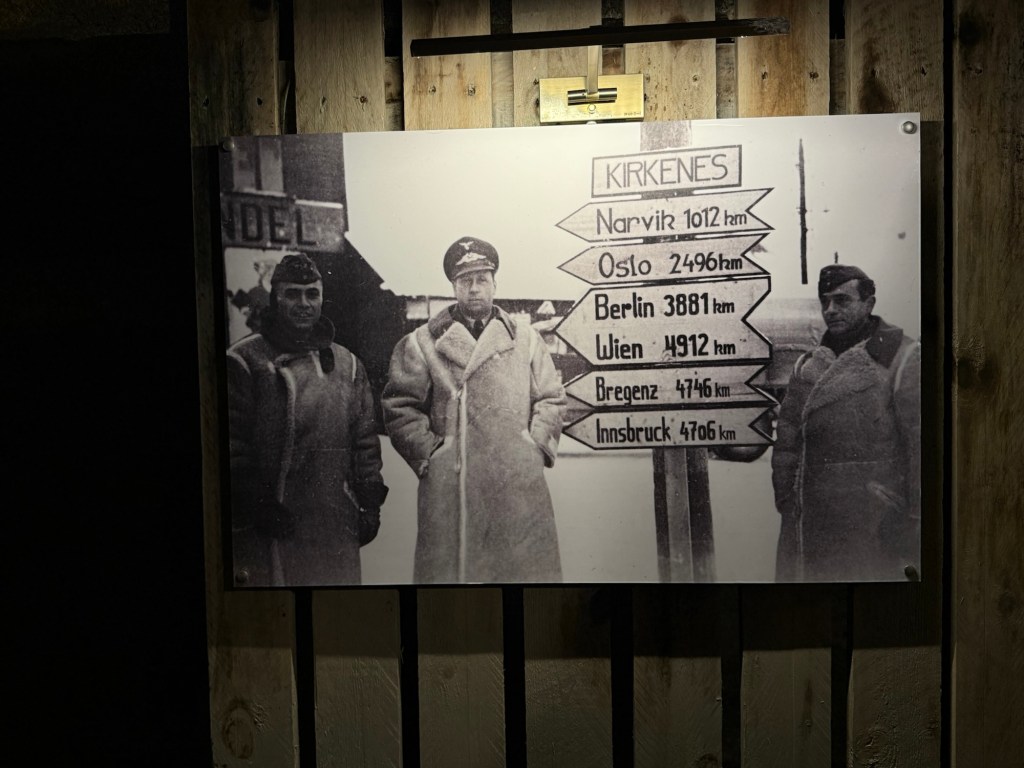
After leaving our first tour was a history lesson and a trip to the Russian border. The history lesson was that the town was the second most bombed city in WW2 (after Valletta). At its height there were 100,000 Germans posted here. The Nazis’ focus was extracting iron ore and nickel from the local mines for the war effort and then, secondly, to stop the Allies reaching the USSR’s only open port, Murmansk. It was from here that supplies from the Allies were sent down to Moscow by rail to fight the Nazis.

The Germans failed in their attempt to take Murmansk and stop the supply line: they simply underestimated the impassible nature of the route between Norway and Murmansk expecting better roads and less mud. Their progress was pitifully slow. The Red Army repelled the expedition and bombed the hell out of Kirkenes. The guide said that had Murmansk been taken it would have prolonged the war. In the end 12,000 Germans died and 70,000 Soviets. The guide also added that this is the Russian way to advance by expending their own soldiers with little regard and he suggested also in Ukraine this was a Russian tactic.
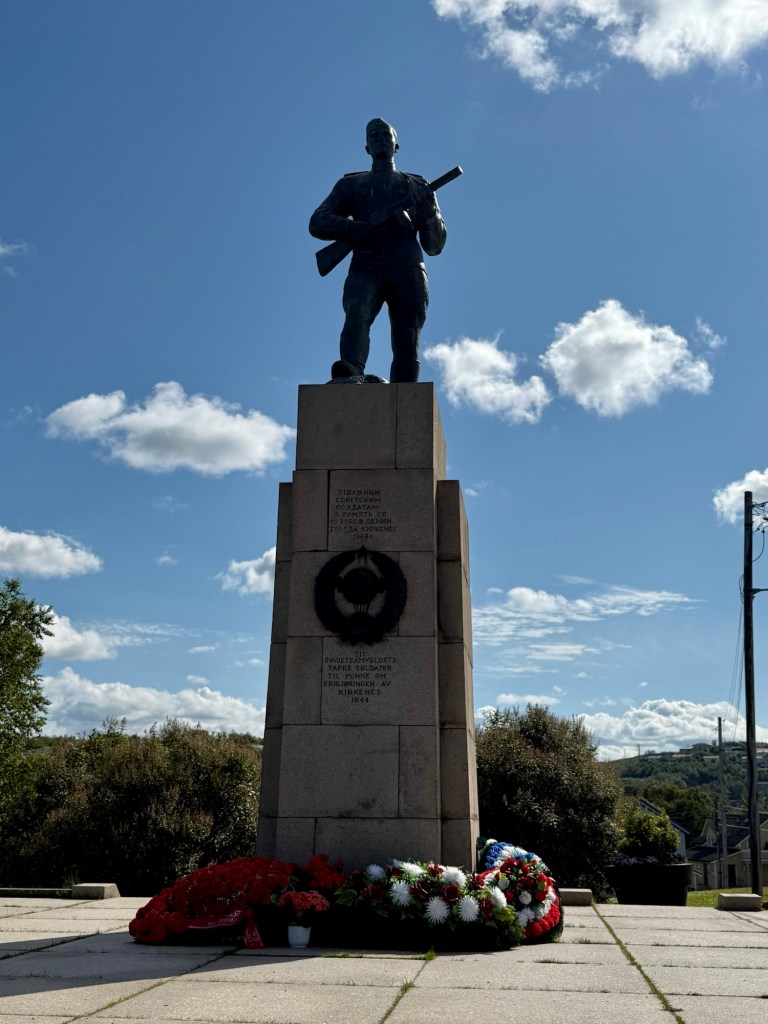
The sacrifice of the Red Army cannot be understated throughout WW2. I’m slow to praise after their advancement to Berlin seemed to be a long campaign of rape and looting but the casualty figures were horrendous and their sacrifice brought an end to Hitler with the Allies. Many Soviet families lost so many sons you can imagine their devastation. Their monuments should be respected and honoured. Clearly some of the locals find it hard to overlook Putin’s current brutal colonial ambitions.
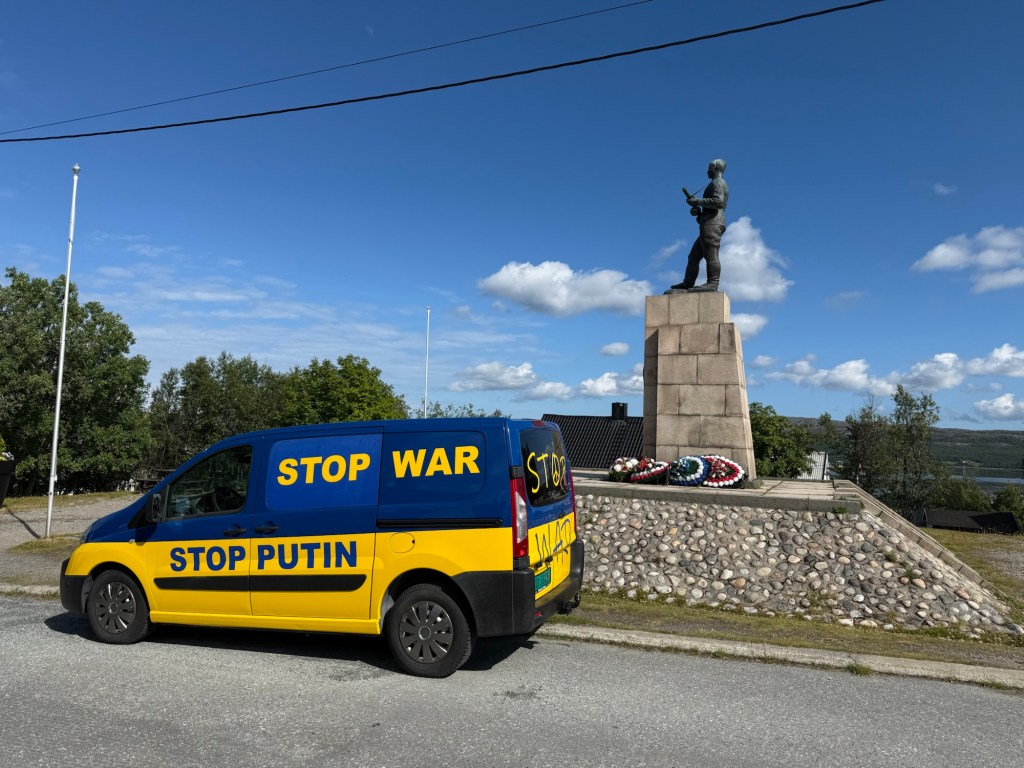
Which brought us on to the present day. Kirkenes had a flourishing tourist trade with the Russians over the border up until the Ukrainian War. Up to 1,000 visitors came every week to buy at the Norwegian shops and stay or eat at the hotels and restaurants. The Russians bought electronics, food, nappies (!) and chocolate. Norwegians would go east for cheap petrol! Norway stopped the issue of visas. The economic implications for the town are profound.
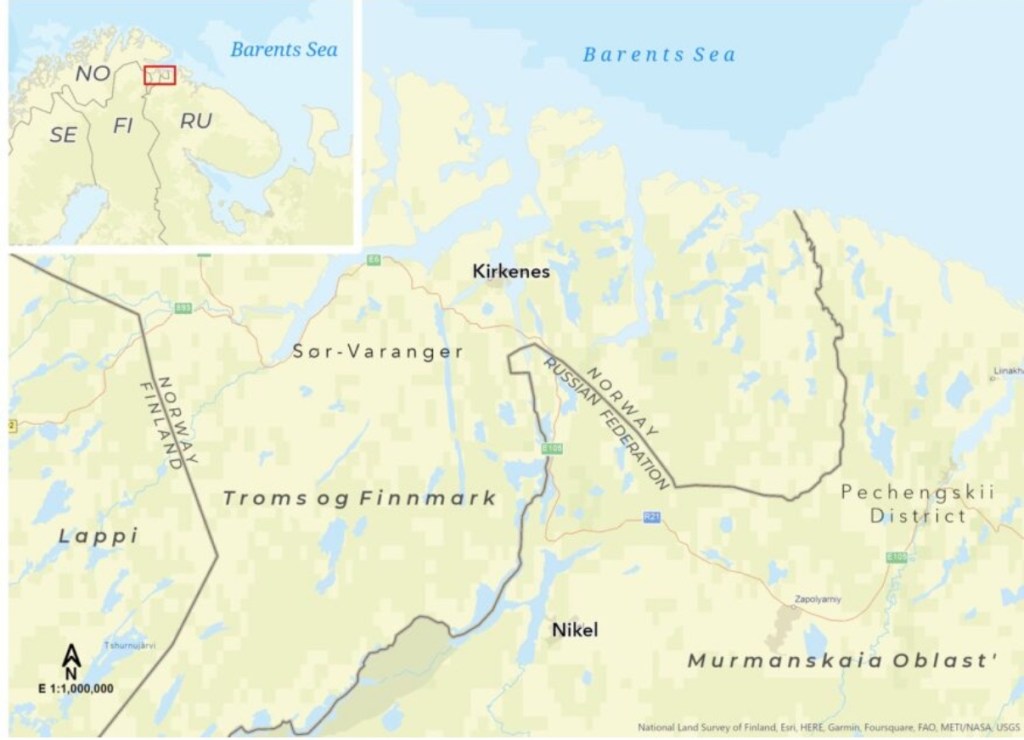
This has killed a very lucrative trade. Similarly as troublesome was when the Russians passed through 5,500 migrants from the Middle East over the border. For a town with a population of 3,000 you can imagine the problems. This flow has now stopped but this was another Putin tactic, with human life, to cause havoc.
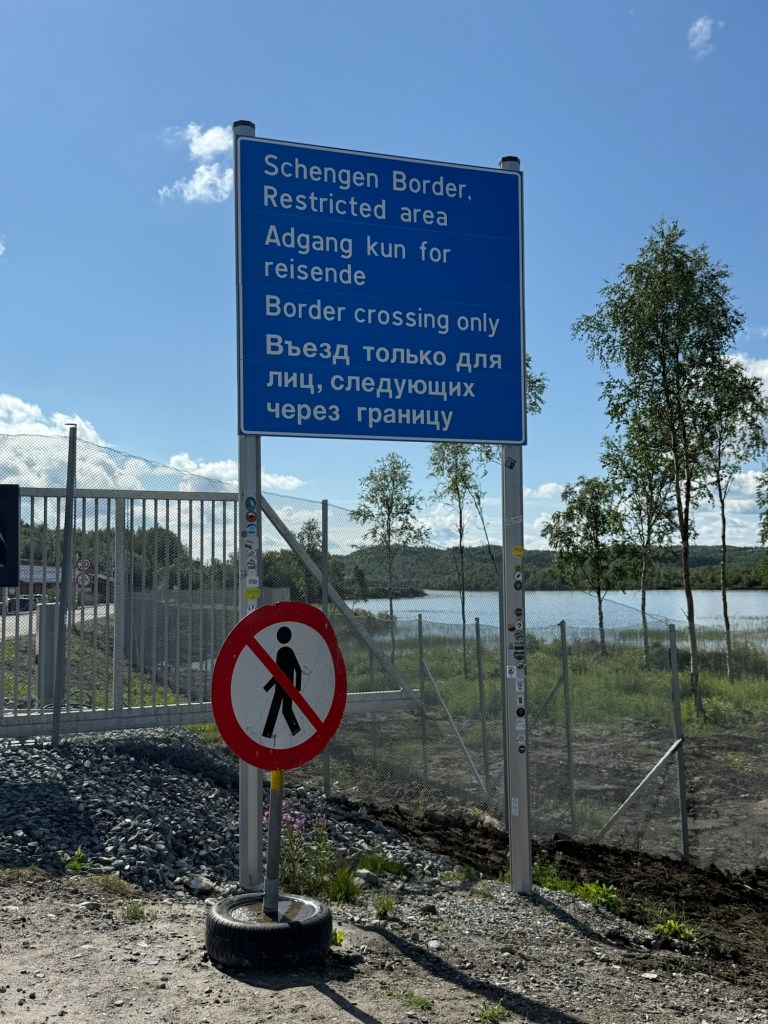
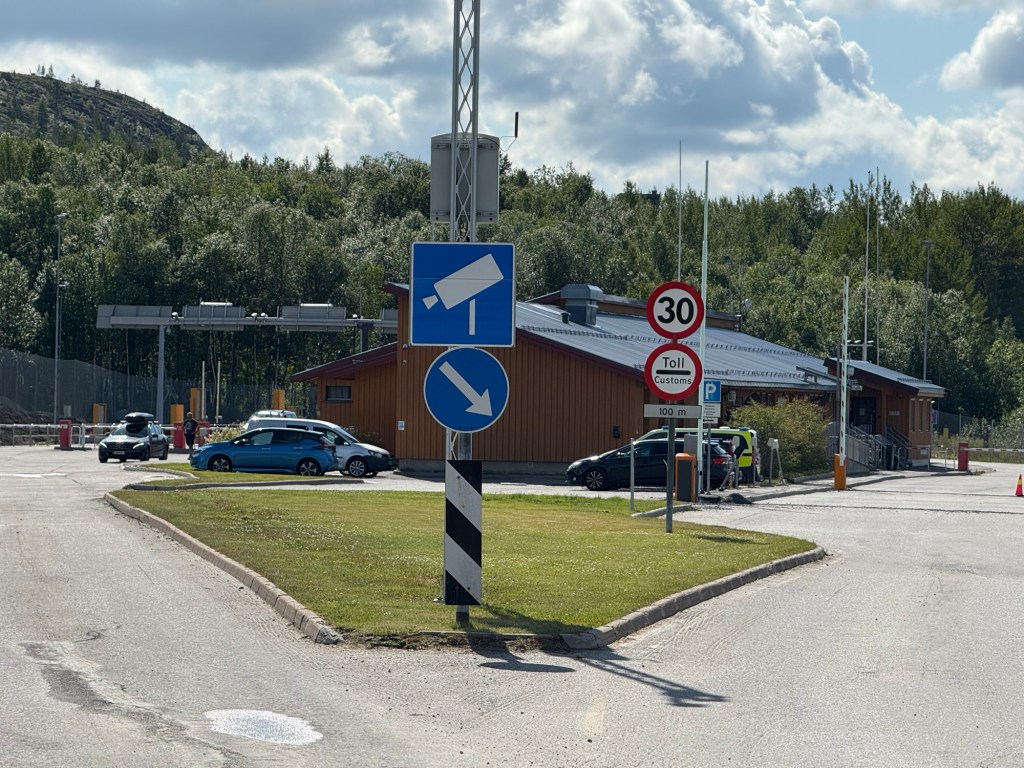
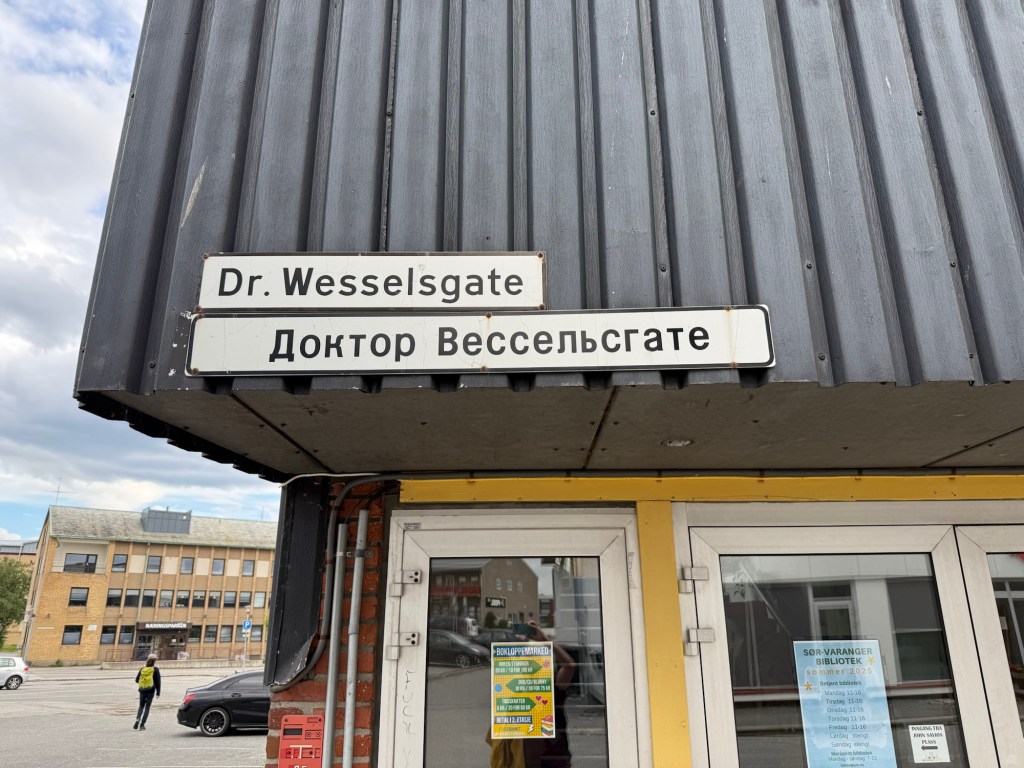
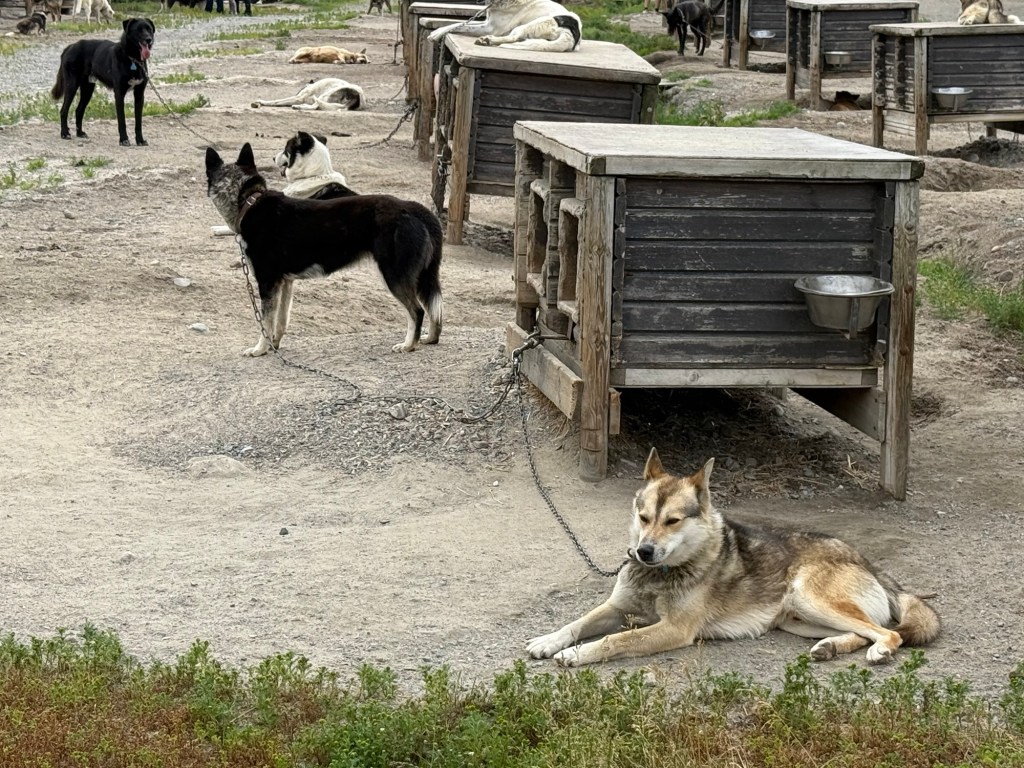
Later that day we met some reindeers, husky dogs and entered an ice hotel. The reindeers were friendly and interesting and the dogs were hardy and in residence for the winter to pull sledges for the tourists.
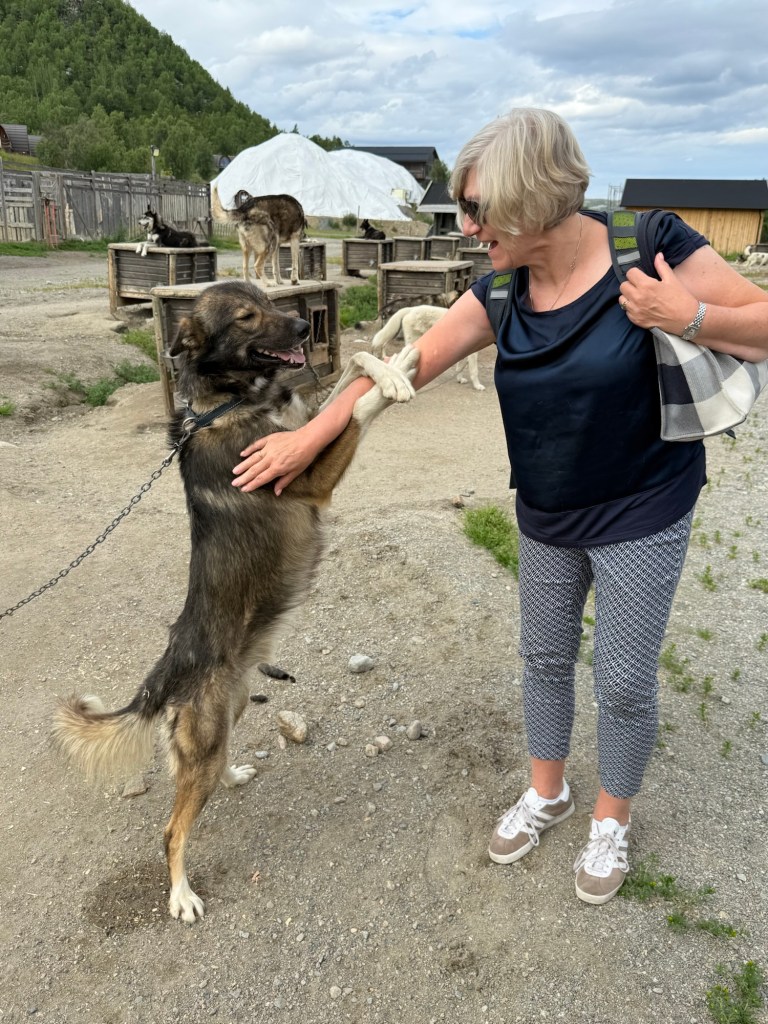


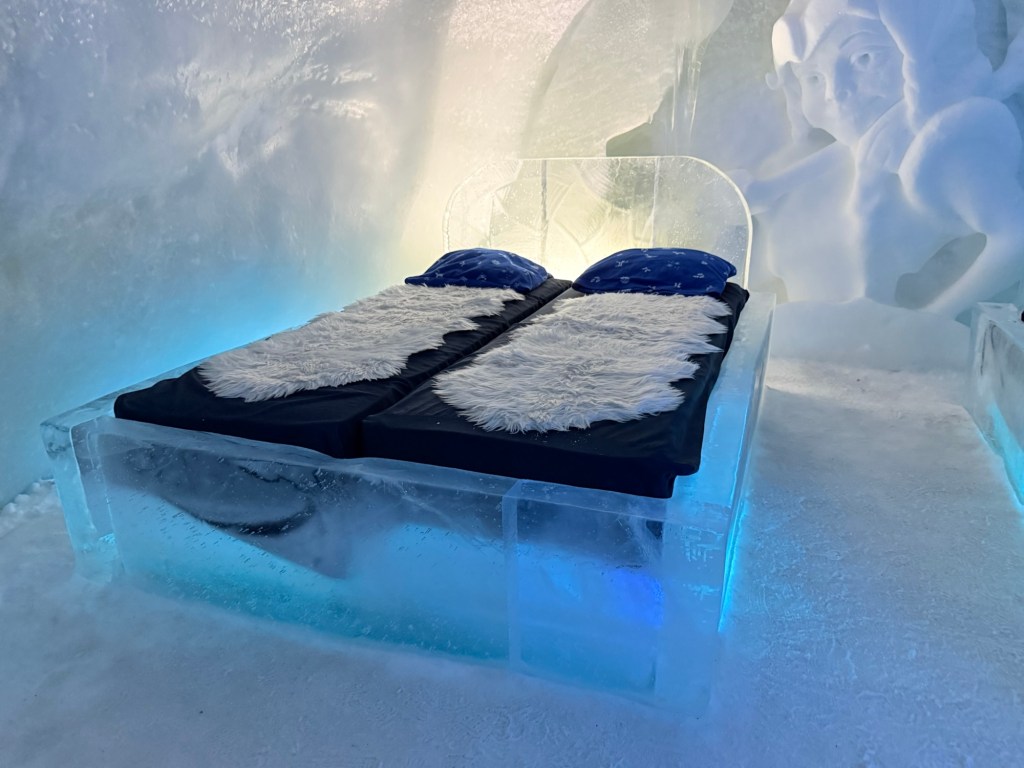
The ice hotel was part of a larger complex of cabins. It was unique but had no appeal to Anna and myself, unsurprisingly. We had an excellent guide who amongst much information asked us not to lick the ice. You can imagine my disappointment. The temperature, outside, had got up to 22°C in the afternoon. The summer average here should be between 10° and 15°C. The game’s over for global warming. It seems we just have to learn how to live with it?


The guide commented that the threat of Russia didn’t worry the town now. A local military college in Murmansk used to have 2,000 trainees in it. That’s now empty as no doubt the soldiers are deployed in Ukraine. On this border the Russians have around 500 soldiers in residence and the Norwegians have 200. Much of the monitoring is done remotely by electronic surveillance.
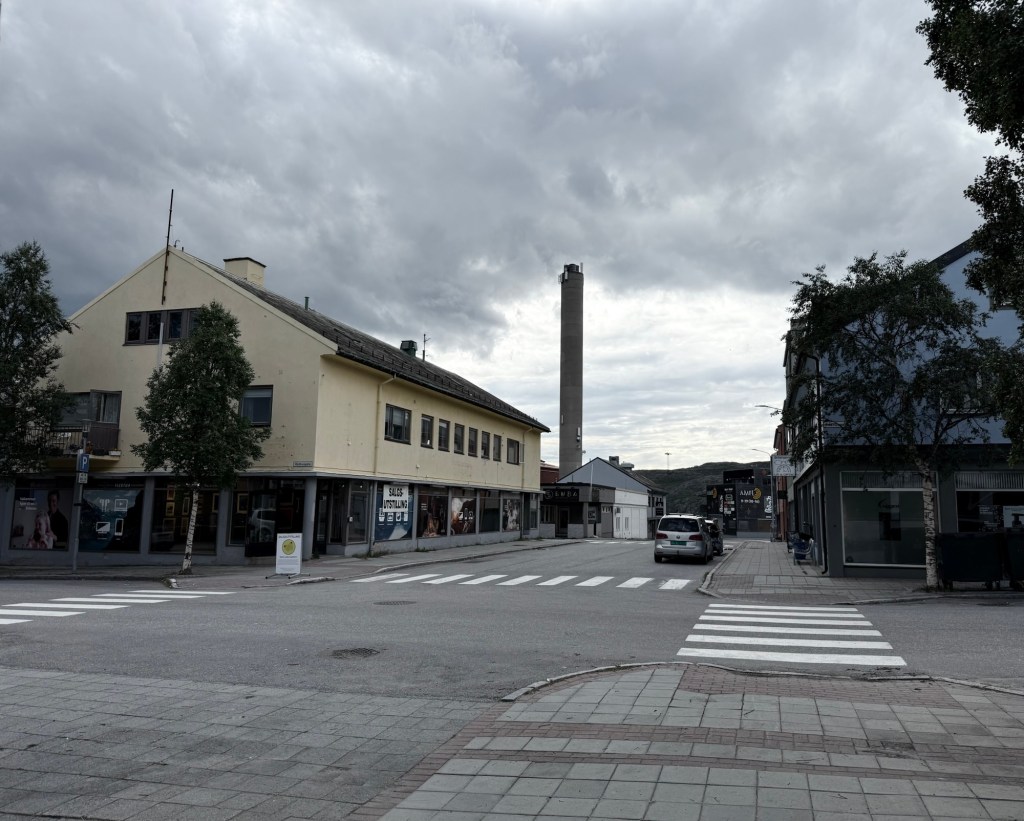
Back in Kirkenes wandering round this empty town we found a pizza in the late afternoon. Then we flew out of Kirkenes, to Oslo, on a late flight. Waiting in Departures enabled the travellers to watch the Women’s Euro Football Final. Well done girls!

Lastly, I’m grateful that the world has chosen to learn English, to make my life easier, but there comes a time when the umpteenth incorrect pronunciation of salmon leads me to have violent thoughts. The Norwegians cannot say it properly. It’s not ‘sallmon’ it’s ‘sammon’. Pick up your game Norway.
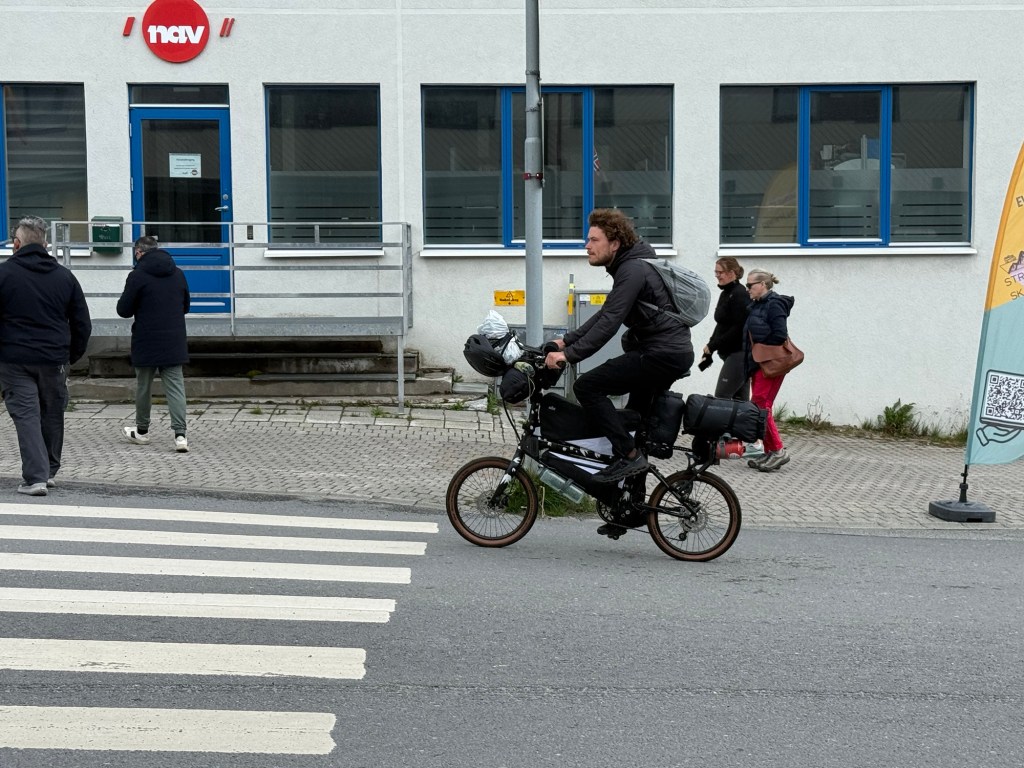
PS. Just to confirm the good news that the Guinness World Record organisation has acknowledged Bob Sanders’ ride across the USA as the oldest male and it’s now confirmed. Take a look below. Fantastic.
https://www.guinnessworldrecords.com/world-records/93719-oldest-person-to-cross-america-on-bicycle
 Tony Ives’ Blog
Interestingly we were there in March and also visited the border. According to our guide the cross-border trade ground to a halt in 2020 owing to COVID restrictions and failed to restart afterwards thanks to a certain Mr Putin having designs upon a neighbour. Prior to this he also described the main goods as did yours but ours also pointed out that vodka used to come across from Russia in quantities similar to the petrol (similar taste too as I recall from a visit to Russia in the 1970s!).
The temperature in March was much lower; -7C by day, -25c at night; but we had an excellent view of the Northern Lights, better even than from the car park of The Shoulder of Mutton in Kirby Overblow (and certainly an improvement on Canada, Iceland and Scotland all of which failed to provide a glimpse)
LikeLike
Yes, our guide mentioned empty bottles of water coming back across the border with another type of clear liquid. The Northern Lights seems to be the main international tourist draw in winter. A very interesting place.
LikeLike
Hello, Tony!
Bob Sanders shared your blog with me. Very very interesting!
I was pleased to see that GWR recognized his record, finally!
I misplaced your communication with me regarding that. Huge apologies.
is there a way to communicate with you directly? I made a movie about my bike trip across Europe last summer and would like to share it with you.
LikeLike