
It was a drive through forests and down very windy roads when we left Bend, Oregon to reach Newport. We’d really enjoyed the state so far. Anna had booked an apartment there that looked out onto a marina.


An immediate pleasure was a fall in temperature by at least 10°C. As much as we loved the heat then things were more to our liking at 18°C and ironically cooler than Blighty at this point in time. Newport sits on a busy coastal highway that runs along the coast but toward the beach we found free parking (or maybe the car rental company will be receiving a parking fine?) and on arrival we found a bar to watch England vs Norway in the World Cup.
In the bar there were some noisy Americans cheering on the Norwegians. I have to say it does stick in my craw that folk who have, probably, no demonstrable link to a team are whooping away at their every move. It didn’t help that Norway were playing so much better than England and looked like scoring with every attack. We’d been identified as England fans and given their unseemly delight at our misery if they scored we left with 10 minutes of normal time to play to check in to our apartment. Later when England had won I was sorry not to be back in the bar!

The beach was big, wide and deserted. Next day a three mile stroll was bracing in the breezy morning air but enjoyable.
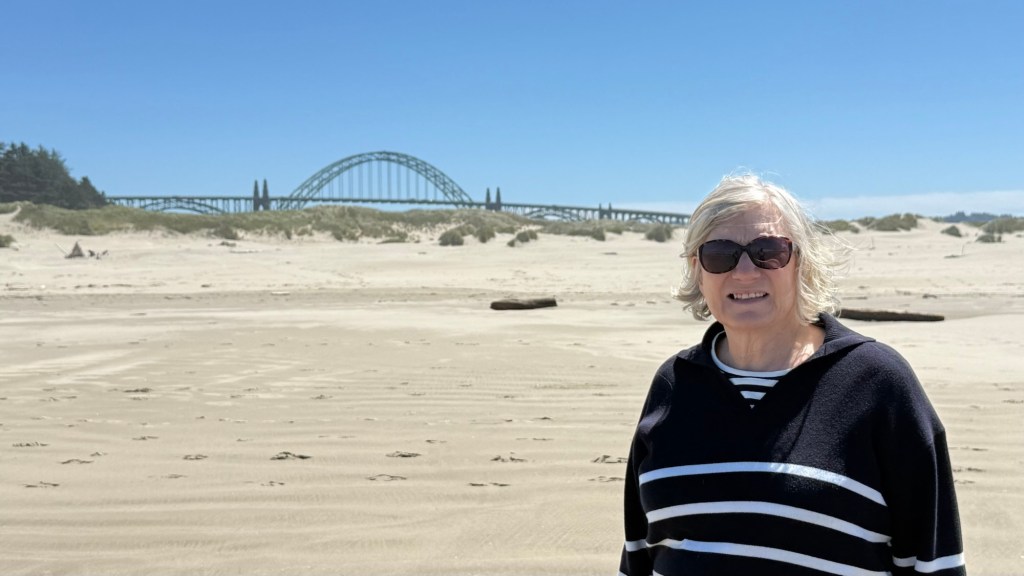

After coffee I have to admit not a lot more happened that day as we did, for the first time on the trip, do nothing but flop. After two nights it was a drive north first stopping at a recommendation of Bob’s: Yaquina Head Lighthouse.

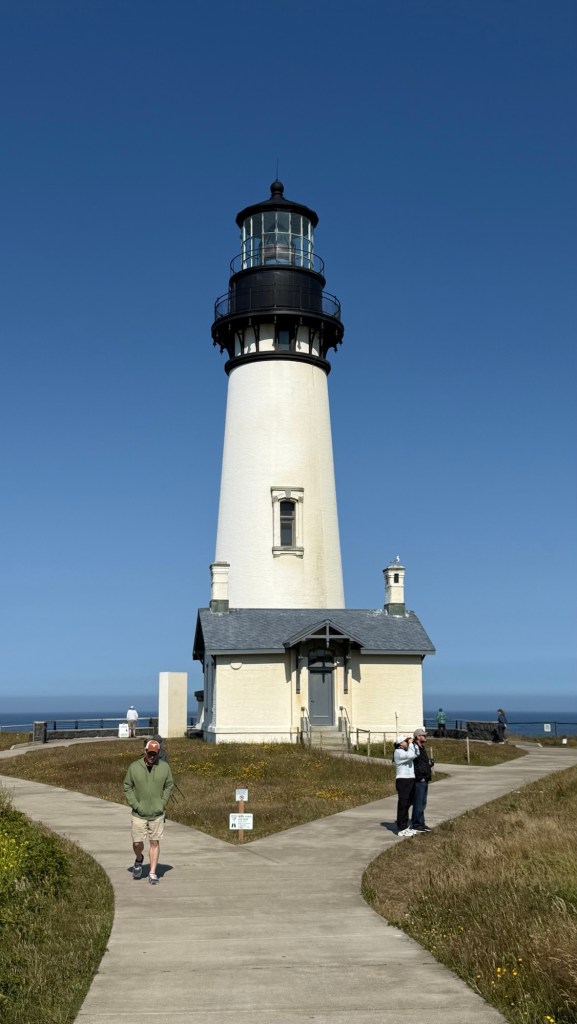
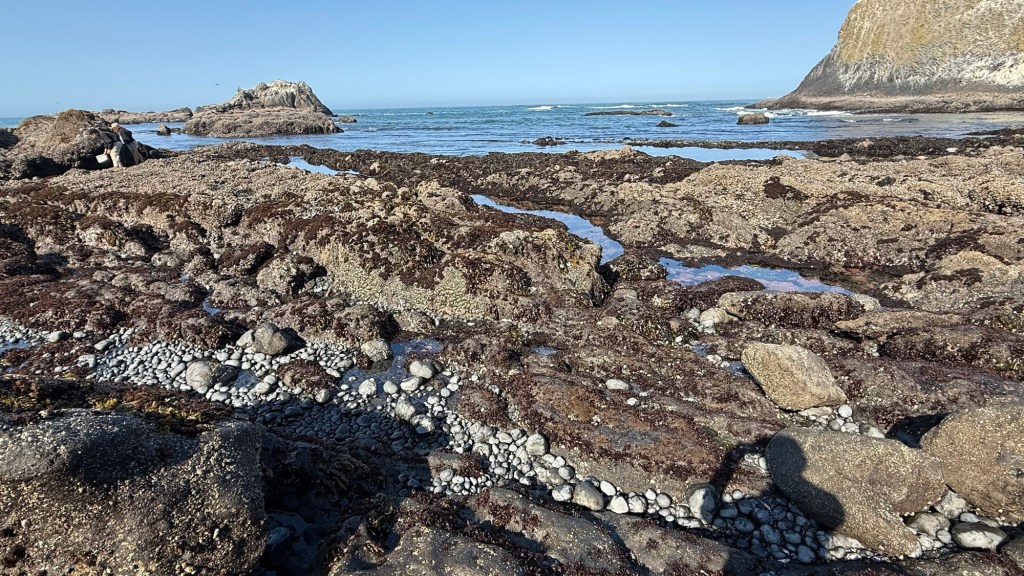
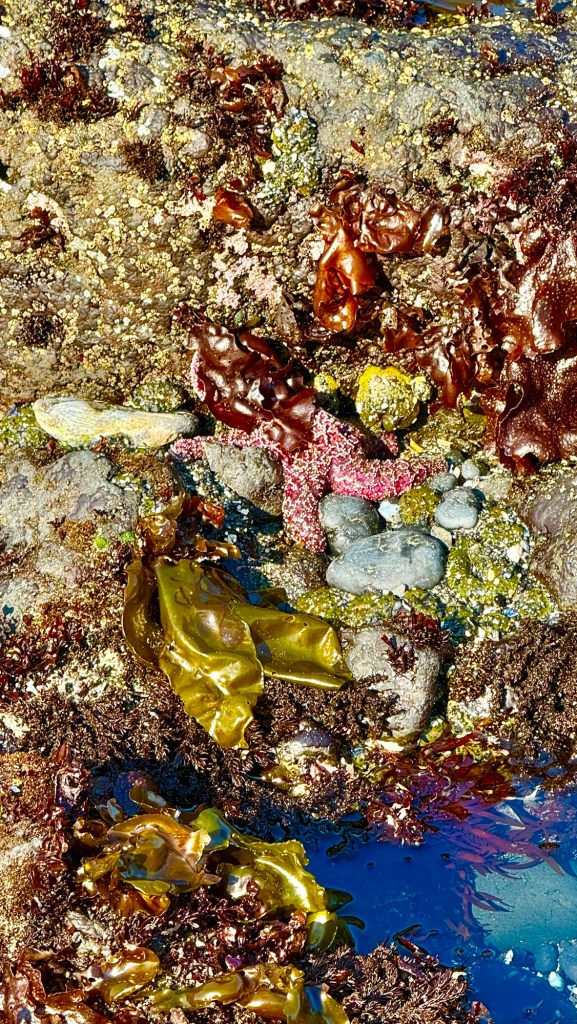
On the beach beneath the lighthouse, commissioned in 1873, we saw many eagles, herons, cormorants and starfish. There were also many people staring out to sea hoping to sea grey whales. My whale sighting days were long over!

From here we stopped at Cannon Beach before getting to Astoria.
Astoria had two important associations in my mind. The first was that it was close to the eventual destination of the Lewis and Clark led expedition from the east of the North American continent to find the Pacific Ocean in the very early 1800s. A path that no Europeans had made up until that point. Secondly, it was where the Trans America Bicycle Trail finished (or started) if you were cycling across the country. In 2014 I rode most of this trail but turned off it in Colorado to head for San Francisco, most continued to Astoria.
Frankly, a quick saunter around the town confirmed it was rundown. To paraphrase the bluesman Albert King – ‘If it wasn’t for bad luck / You know, it wouldn’t have no luck at all.’ Battered housing, odd shops, not part of chains or looking remotely prosperous that seem to sell little or second hand goods and must be on peppercorn rents. They had a feel that suggested it wasn’t getting gentrified any time soon. We had two nights here.


However, the next day we certainly extracted the best of what was here. We made a pilgrimage to the Lewis & Clark National Park. President Thomas Jefferson in 1803 wanted an expedition to go from the east of the country to the Pacific Ocean. It was only in 1803 that the USA had acquired, from Napoleon Bonaparte the western half of the USA in the ‘Louisiana Purchase’ for c$15m. History says Jefferson visited Paris to buy New Orleans but got more than he expected! The Spanish still controlled, at that time, what we know as the south west of the USA.
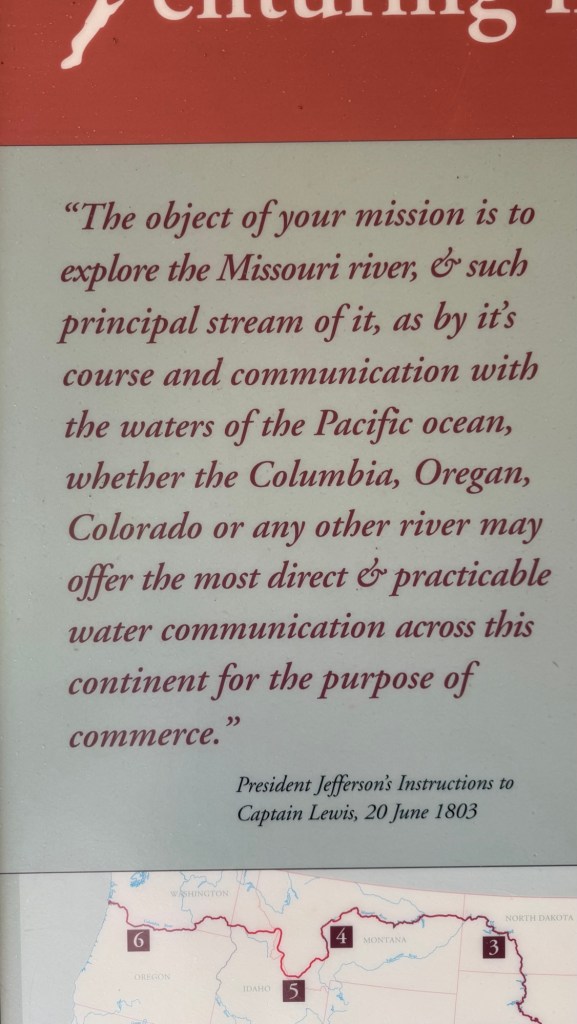
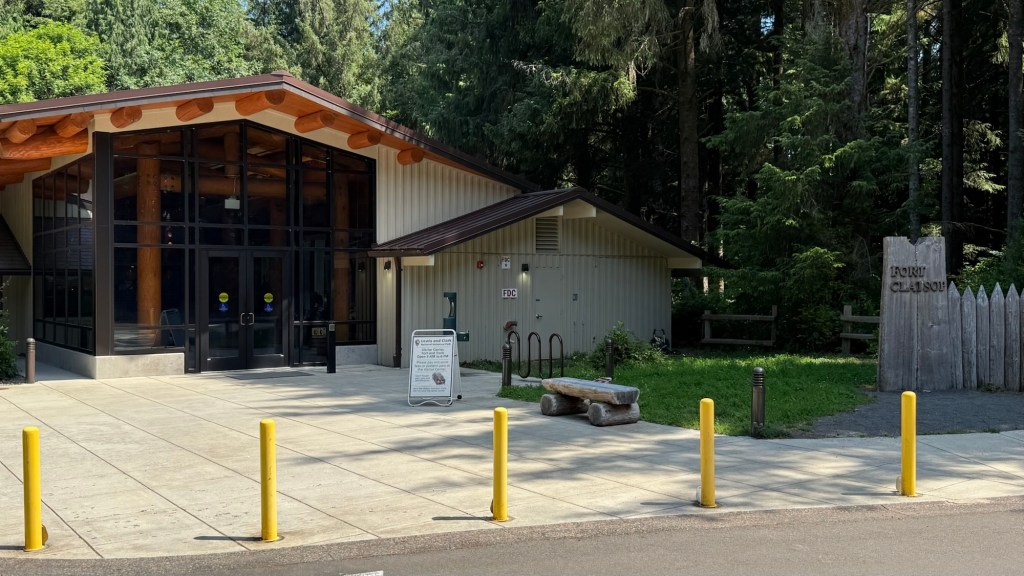
Largely everything west of Missouri was unknown to the European immigrants. So, army officers, Lewis and Clark led this expedition across the company sticking to rivers that eventually crossed the continent. Of course the country was occupied by many First Nation tribes. The expedition moved by floating/navigating along the rivers. It wasn’t easy when it included rapids, waterfalls and any other obstacle that necessitated the party to work around carrying several tons of equipment and provisions. However after 18 months they got from St Louis, MO to Astoria, OR. It was an epic journey of innumerable challenges and discovery.
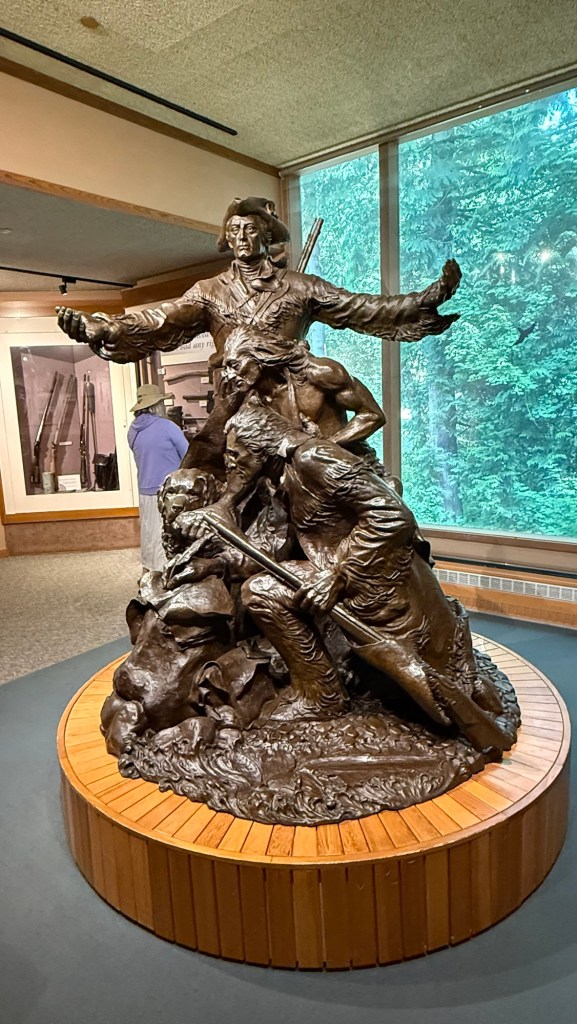
The Pacific coast was already known to the white man. In fact they had been trading for furs with the coastal First Nation tribes for a long time. This was achieved by sailing there. However, no white men had ever appeared overland from the east.
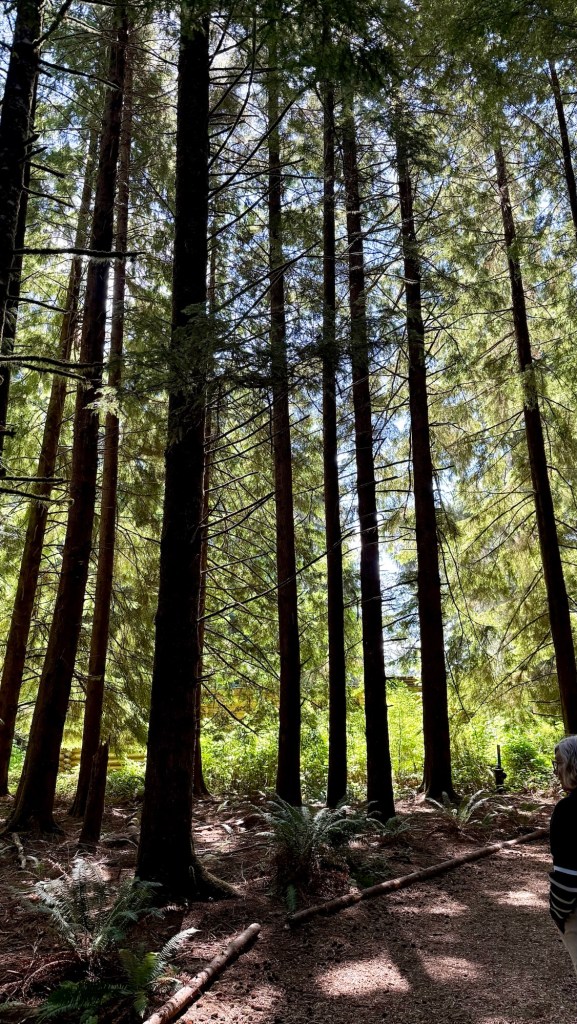
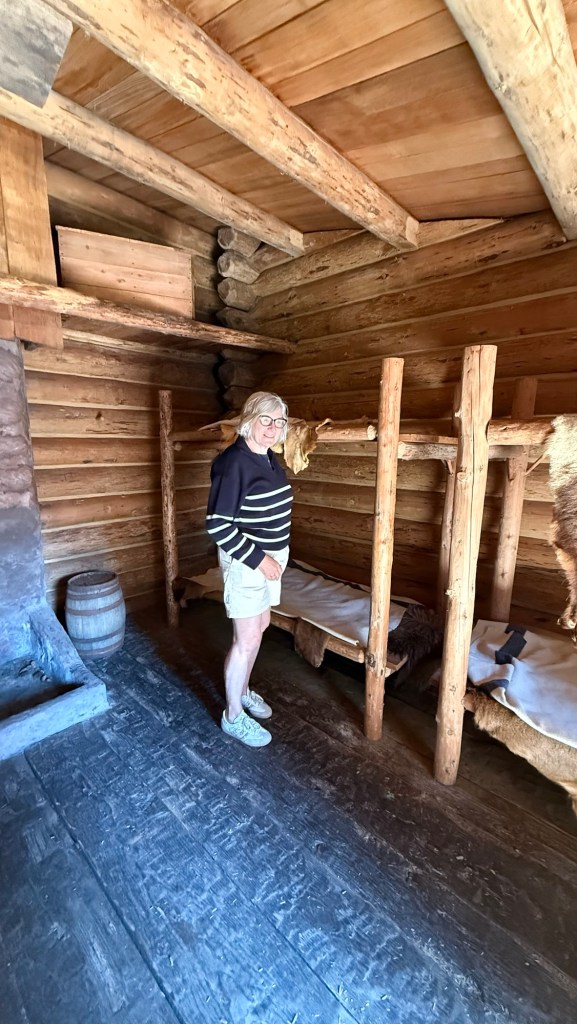
This National Park is where the party spent four miserable cold and wet months after arrival before retracing their steps back east. They brought back detailed information of plants, wildlife, First Nation tribes and a route to follow. On their return they were celebrities. I knew most of this from a wonderful book I bought in Cody, Wyoming in 2022 called ‘Undaunted Courage’ by Stephen Ambrose.
Back in Astoria I went on to learn more about the Columbia River maritime history at a museum.

I thought this might be less than special but it turned out to be very interesting and beautifully presented and told.
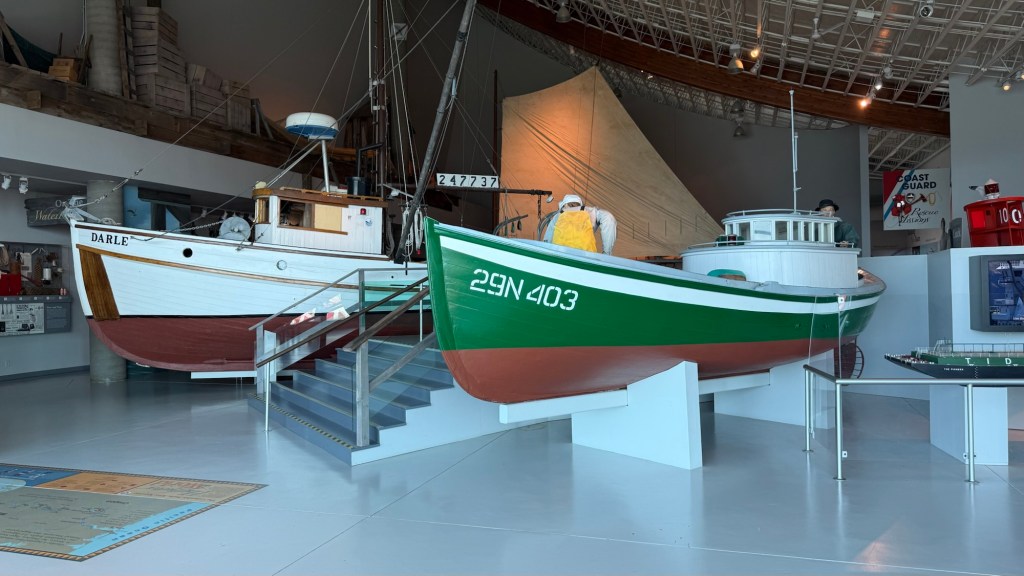
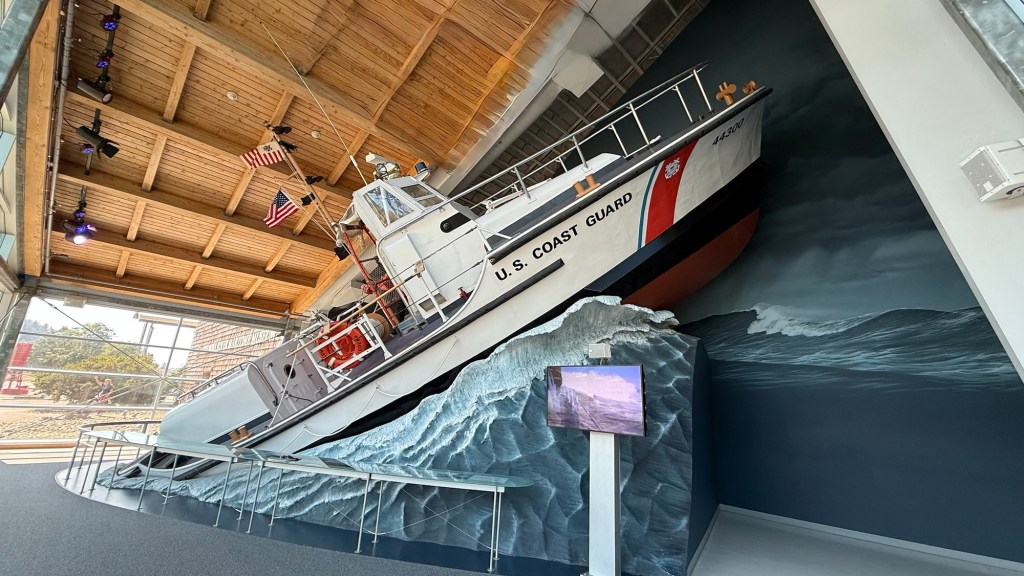
A key attribute of the vast river estuary is the turbulent waters that are created when the vast powerful river hits the Pacific. It’s dangerous and has claimed hundreds of mariner lives.

O The museum touched on the fishing industry over the decades, fishing mainly for migrating salmon, the large container ships that go upstream to Portland, OR and then coverage of ship building, WW2 activity, coast guard coverage and even First Nation navigation. It was top class.
And then it was time to go and head further north up the coast and back into Washington state to the capital, Olympia.
 Tony Ives’ Blog