Now widely in the public domain it does seem appropriate to publish a blog that confirms that Moores Furniture Group has shut. This happened during January after the existing management were unable to continue trading despite seeking a new investor/s to sustain the business.

Firstly, this is a considerable blow to the 450+ employees who must now seek alternative employment. Many have been employed at Moores for decades and this will be quite an upheaval for them and their families. Even to the casual observer after the previous owners, Hilco, stepped back in September 2025 it seemed that the firm would fail. The company needed their financial support to continue sustainably. There would be no takeover as there is considerable capacity in the kitchen furniture industry as well as more efficient and profitable operators who are all happy to absorb any business that would now become available. The administrator did find a buyer for the intellectual property and, presumably, immediate order book in the form of Wren Kitchens. Wren is a massive retail kitchen operation with manufacturing and showrooms. However, they have what the industry calls a ‘contract’ division that supplies directly to business, rather than retail customers. No doubt Wren Contract saw Moores’ demise as an opportunity to take over their existing order book with house builders and maybe other b2b customers. I know nothing of their plans but I’d assume that after offering the existing customers continuity of supply on building sites already underway they would then seek to substitute Moores’ cabinets and designs with Wren products?
In the wider locality there are other cabinet manufacturers and some of the skilled operatives may find employment along with sales people and installers who may find a home within Wren Contracts? Moores operated a ‘final salary’ or defined benefit pension scheme that will now shut and ‘fall’ in to the government run Pension Protection Fund (PPF). The PPF will mean that all those who were in the scheme, whether retired or yet to do so will receive pensions. The level of the pension is dependent on age and value of the pension prior to the scheme closing. It has a number of variables that can be explored by looking at the PPF website. The PPF will pay existing pensions for as long as it takes them to take over the old scheme and integrate it into the PPF. This could take up to two years.
So what happened for the company to fail? It really, in my opinion, has nothing to do with the existing management who attempted to make the company competitive and increase sales on a shoestring budget from too small a sales base. I watched the organisation from the proximity of being a pension trustee for many years and, to me, the size of the factory and its attendant cost meant that it needed considerable sales and volume to break even. The early years after the 2008/9 financial crisis saw the company jettisoning business from customers who were deemed to be too hard to service or marginally profitable.
The dramatic increase in the offer of installation had been catastrophic as the company struggled to do it successfully and get paid in full or on a timely basis. Installation didn’t enjoy the efficiencies and systems that ran a factory. This was all about taking the cabinets etc to a muddy field (building site) and fitting it and then waiting until the property was at a stage that the builder determined before you could invoice. There was a lot of steps and hurdles to overcome before you got paid; not least as other trades visited the kitchen and may damage the installation for which you were still responsible.
However, it’s a known statistic that it’s seven times more difficult to get a new customer than retain one. The then management had the belief that they were ridding themselves of ‘problems’ and it would put the company into profit. From 2008/9 the company lost approximately half the workforce (c500 people) as the directors embarked on enormous redundancy programmes. I fell in one of the earliest programmes.
I think in the years since 2008 the company only made a profit once. This desperate situation didn’t close the business as the ultimate owners of Masco and Hilco either kept injecting cash into the operation or underwrote loans and debts. So the seeds of its demise go back a long way and eventually money and time ran out.
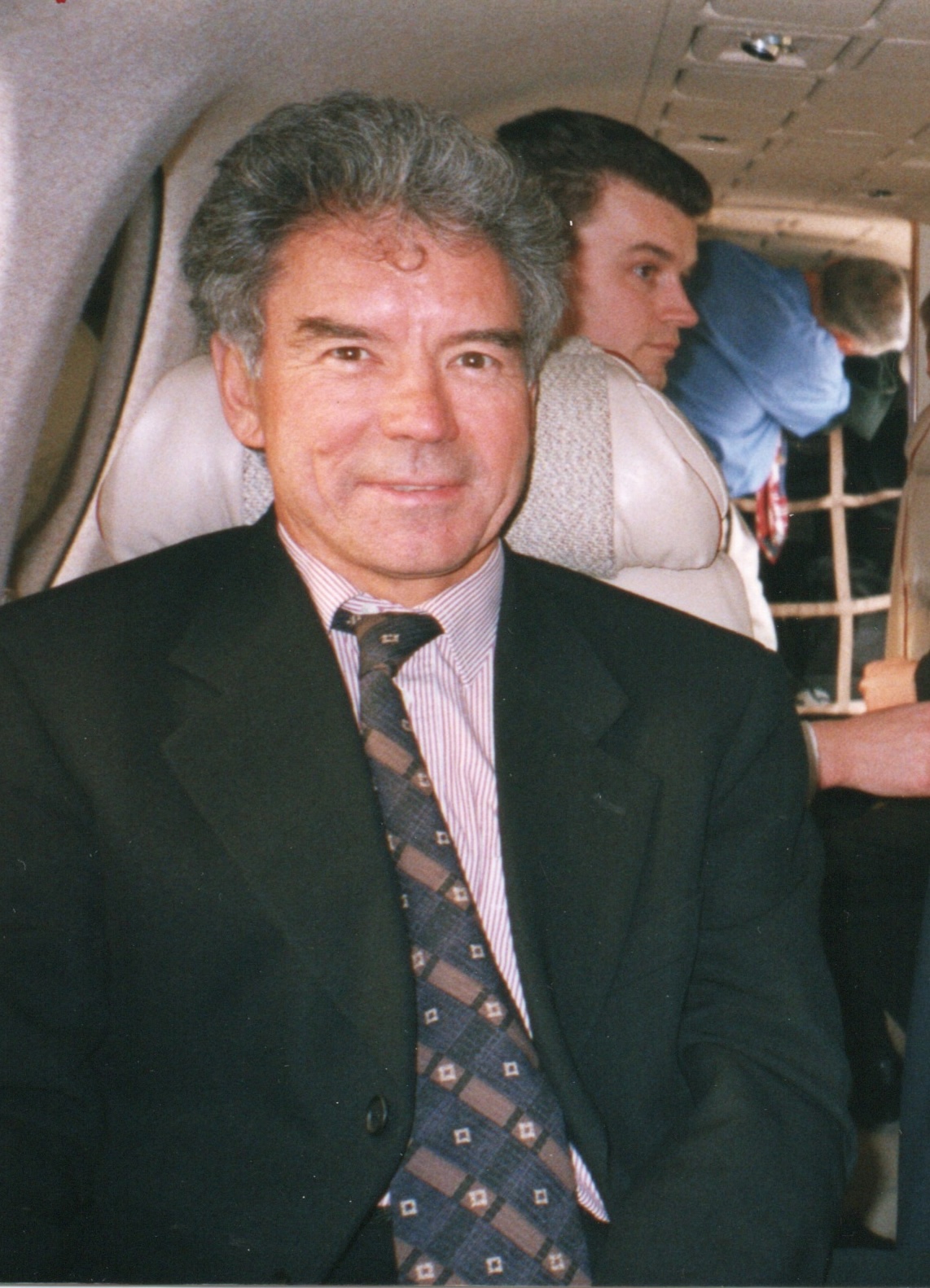
I grieved some time ago and was surprised that it staggered through to 2026. I still have many true friends and wonderful memories of my time at Moores. Those work memories include private jets around the USA, launching a kitchen furniture range at the NEC, meeting the then Prince of Wales with Anna, export trips to China, Taiwan, Costa Rica, Guatemala, Mexico, Abu Dhabi and other exotic locations. Leading the public sector salesforce to grow sales by 50% to deliver sales of over £30m in 2006. Whilst there I had the positions of Purchasing and Design Manager, Commercial Director, Marketing Director, Public Sector Sales Director and then running the Installation division: a job I was parachuted in to turn around. It was an operational disaster. There were then 500 building sites nationwide. With hard work by many people this went well, calm was being restored but the company decided it could all be done more cheaply and wanted to change the whole management structure and process. By the time I was tapped on the shoulder and shown the door the house building industry was gripped by a downturn as a result of the global slow down and shedding cost was a priority.
At Moores I learned all about business, which informed my politics, personal values and character. It was influential in forming me as a person. I was there over 23 years, whilst there I married, had a family and (if I could track it all) had many milestones in my life whilst turning up to Thorp Arch for so many years.








 Tony Ives’ Blog